Category: IYI Blog

Stories, insights, and updates focused on youth opportunity, empowerment, and community impact.

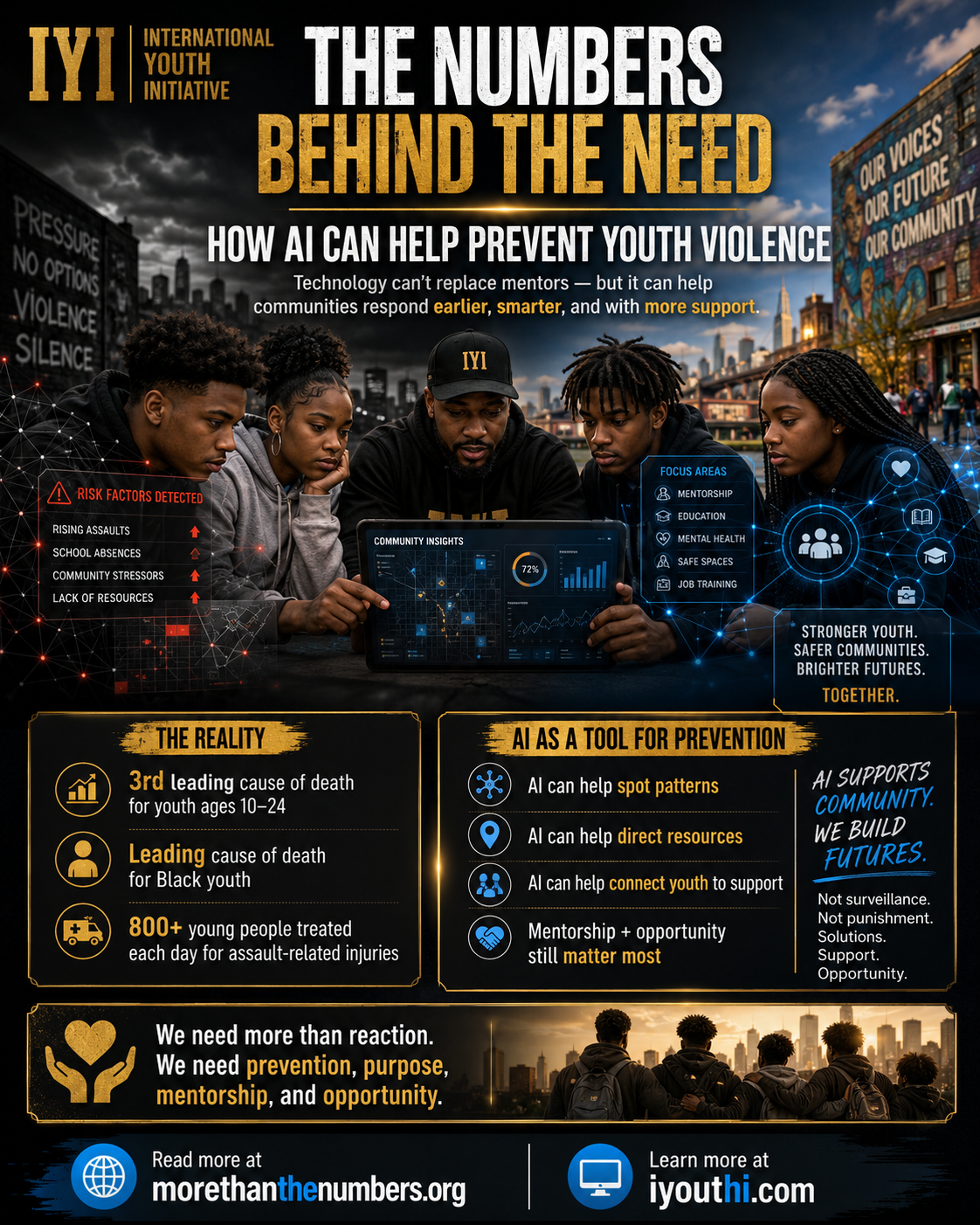
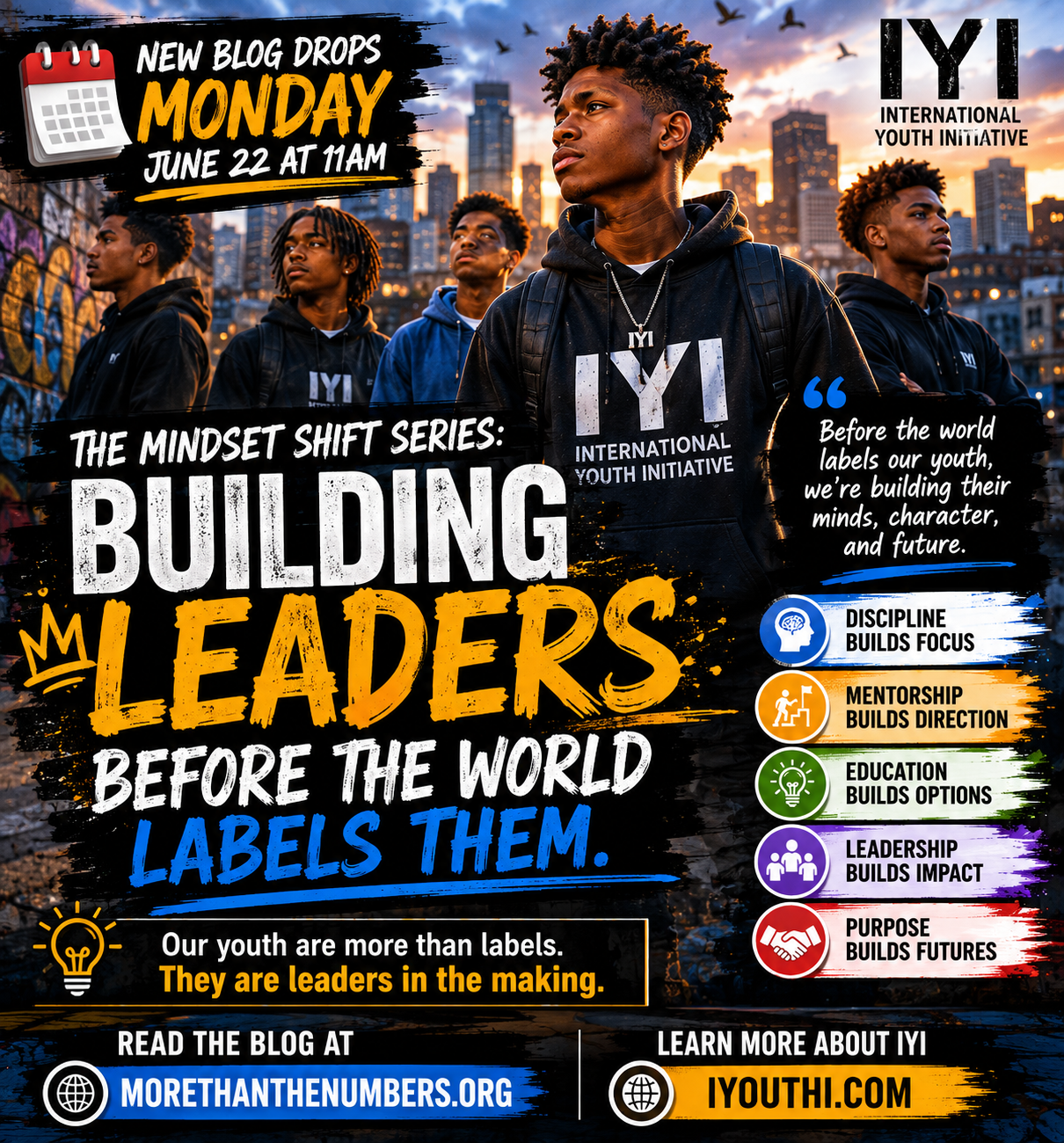
  • Building Leaders Before the World Labels Them

    Building Leaders Before the World Labels Them

    Before the world labels them, we should be building them.

    Too many young people are labeled before they are understood.

    Troubled.
    At-risk.
    Lost.
    Angry.
    Unreachable.
    A statistic.

    But labels do not tell the whole story.

    Behind many young people is pressure they did not choose, pain they do not always explain, and potential they have not yet been given the chance to develop.

    At International Youth Initiative, we believe youth should not be defined by the worst assumptions people make about them. They should be seen for what they can become with exposure, structure, mentorship, discipline, and real opportunity.

    That is why we believe in building leaders before the world labels them.

    Leadership does not always start with a title.

    Sometimes leadership starts with a young person learning to control their emotions.
    Sometimes it starts with showing up consistently.
    Sometimes it starts with asking better questions.
    Sometimes it starts with choosing discipline over distraction.
    Sometimes it starts with seeing a future bigger than survival.

    Our youth do not need to be perfect to be worth investing in.

    They need guidance.
    They need patience.
    They need honest conversations.
    They need adults who see their potential before the world writes them off.

    Too often, young people are surrounded by messages that tell them who they are not. They are told what they cannot do, where they do not belong, and what paths are not meant for them.

    IYI wants to bring a different message.

    You can learn.
    You can build.
    You can lead.
    You can think strategically.
    You can develop discipline.
    You can become more than what people expected.

    That kind of message matters.

    When young people are exposed to financial literacy, entrepreneurship, technology, AI, market education, and leadership, they begin to see themselves differently. They begin to understand that their mind is an asset. They begin to recognize that choices today can shape options tomorrow.

    Exposure helps shift identity.

    A young person who sees themselves only through struggle may start to see themselves as a builder.

    A young person who has been treated like a problem may start to understand they have purpose.

    A young person who has only known pressure may start to learn strategy.

    That shift is powerful.

    At IYI, leadership is not just about standing in front of people. Leadership is also about self-control, responsibility, vision, discipline, and service. It is about learning how to think before reacting. It is about learning how to plan before moving. It is about understanding that every decision is connected to direction.

    That is why real youth development has to go deeper than motivation.

    Motivation can inspire a young person for a moment, but structure helps them grow over time.

    Mentorship gives them someone to learn from.
    Financial literacy helps them understand money and decisions.
    Entrepreneurship teaches ownership and problem-solving.
    Technology and AI expose them to the future economy.
    Market education teaches patience, risk, focus, and global awareness.
    Leadership teaches them how to carry responsibility.

    These are building blocks.

    They help young people move from being shaped by labels to being guided by purpose.

    The world may see a hoodie and make an assumption.

    IYI sees a young mind that can learn markets, technology, business, ownership, and leadership.

    The world may see anger.

    IYI sees pain that needs direction, discipline, support, and purpose.

    The world may see a statistic.

    IYI sees a future.

    That is the difference.

    When we build youth early, we give them a better chance to see themselves beyond survival. We help them understand that they do not have to wait until adulthood to start developing a leadership mindset.

    They can start now.

    They can start by learning how to manage money.
    They can start by learning how to communicate.
    They can start by learning how to control emotions.
    They can start by learning how to study opportunity.
    They can start by learning how to build habits that support their future.

    Leadership grows through repetition.

    One lesson.
    One decision.
    One conversation.
    One act of discipline.
    One moment of choosing purpose over pressure.

    At IYI, we believe our youth deserve spaces where they are not reduced to what they have been through. They deserve spaces where they can be challenged, encouraged, corrected, guided, and prepared.

    They deserve to be seen before they are judged.

    They deserve to be built before they are labeled.

    Because when young people are given exposure, mentorship, and real opportunity, they can become more than what the world expected.

    They can become thinkers.
    Builders.
    Creators.
    Leaders.

    And that is the work.

    Not just changing the conversation about youth.

    Changing the future with them.

  • The Numbers Behind the Need: Youth Mental Health, Pressure, and the Need for Purpose

    The Numbers Behind the Need: Youth Mental Health, Pressure, and the Need for Purpose

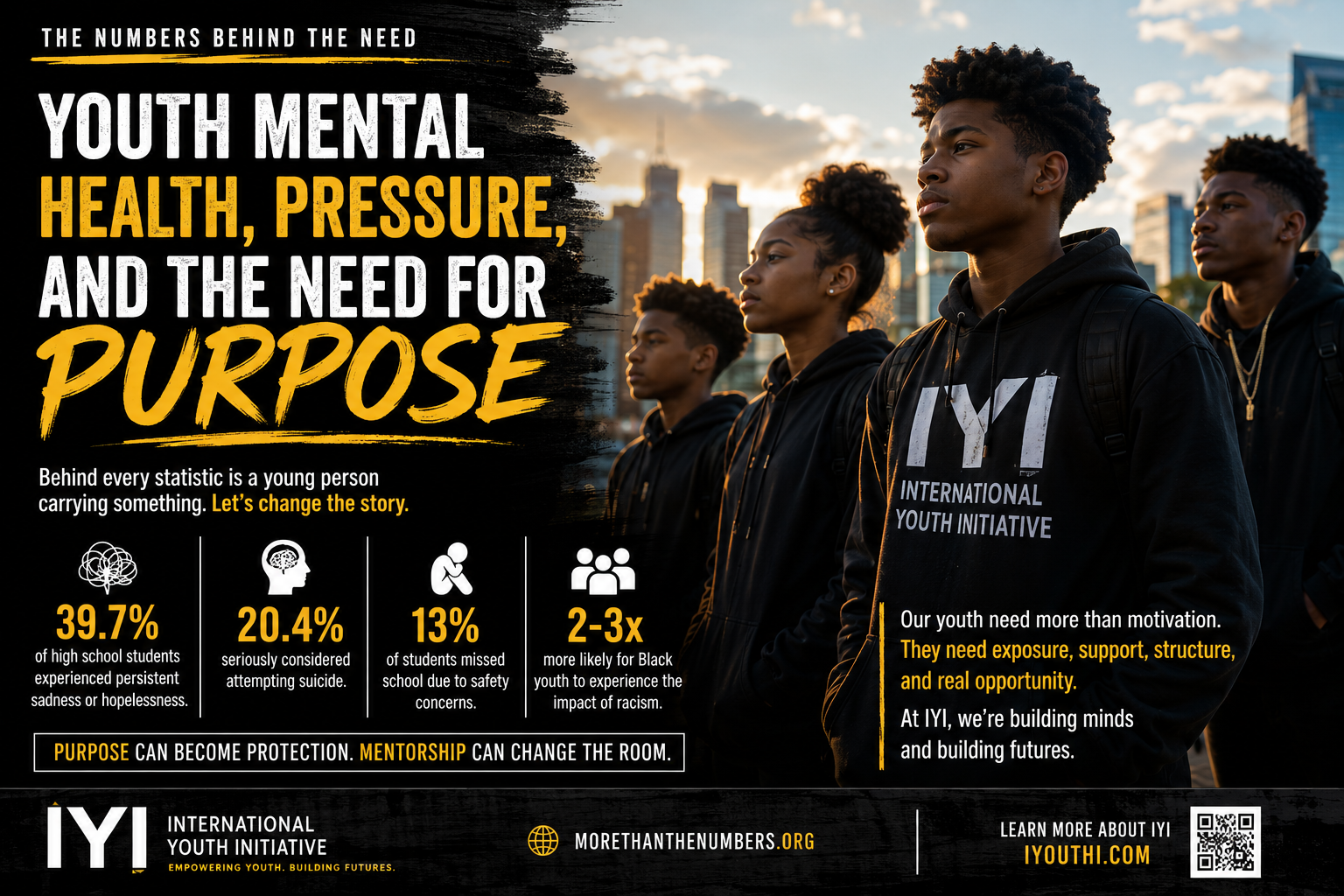
    Behind every statistic is a young person carrying something.

    Sometimes it is pressure.
    Sometimes it is grief.
    Sometimes it is fear.
    Sometimes it is responsibility that came too early.
    Sometimes it is silence.

    Youth mental health is not just a personal issue. It is also a community issue, a school issue, a safety issue, and an opportunity issue. For many Black urban teens, the pressure they carry is connected to more than one part of life.

    At International Youth Initiative, we believe the numbers matter because they show where the need is. But the numbers are not the whole story. The full story is the young person behind the data — the one trying to stay focused, stay safe, and still believe in a future.

    The pressure is real

    The CDC’s 2023 Youth Risk Behavior Survey reported that about 4 in 10 high school students experienced persistent feelings of sadness or hopelessness, and about 2 in 10 seriously considered attempting suicide.

    Another CDC report found that 39.7% of high school students experienced persistent sadness or hopelessness, 28.5% experienced poor mental health, 20.4% seriously considered attempting suicide, and 9.5% attempted suicide.

    Those numbers are heavy.

    They represent students sitting in classrooms while carrying stress no one can see. They represent young people walking through neighborhoods while trying to act strong. They represent youth who may be smiling on the outside while struggling inside.

    That is why youth mental health has to be taken seriously.

    Safety affects learning

    Mental health does not exist in isolation. Environment matters.

    The CDC reported that students missing school because of safety concerns increased from 9% in 2021 to 13% in 2023.

    That matters because a young person who does not feel safe may struggle to learn. A young person worried about what could happen at school, after school, or on the way home may not have the same mental space to focus, plan, or dream.

    Safety affects attendance.
    Attendance affects learning.
    Learning affects confidence.
    Confidence affects direction.

    That is why youth development cannot only focus on academics. It also has to address the pressure surrounding young people’s lives.

    Racism and unfair treatment add weight

    Black youth and other youth of color often carry pressures that are not always recognized.

    The CDC reported that students who experienced racism had higher rates of poor mental health, suicide risk, and substance use. The same CDC summary said experiences of racism were 2 to 3 times more prevalent among students from marginalized racial and ethnic groups compared with White students.

    This matters because mental health is not only about what is happening inside a young person. It is also about what is happening around them.

    If a student feels judged, overlooked, disciplined unfairly, or treated differently because of race, that can affect how they see school, adults, authority, and themselves.

    At IYI, we believe youth need spaces where they are not treated like problems to manage. They need spaces where they are treated like minds to develop.

    Milwaukee youth are more than the struggle

    Milwaukee’s Black youth should never be reduced to crisis language alone.

    The Black Youth Achievement in Milwaukee report described serious challenges, including young people facing financial responsibilities early, neighborhood violence, poverty, homelessness, and racism. But the report also emphasized that the resilience of Milwaukee’s Black youth is not always measured or highlighted properly.

    That balance matters.

    If we only talk about the pain, we miss the strength.
    If we only talk about the statistics, we miss the young person.
    If we only talk about what is wrong, we miss what can be built.

    More Than The Numbers exists because our youth are more than data points. They are thinkers, builders, future leaders, and young people who need exposure, support, mentorship, discipline, and real opportunity.

    Purpose can become protection

    Purpose does not erase pain.

    But purpose can give a young person something to hold onto.

    When youth have purpose, they have a reason to look forward. They have something to build toward. They have a reason to keep learning, keep showing up, and keep developing.

    Purpose can come through mentorship.
    Purpose can come through financial literacy.
    Purpose can come through entrepreneurship.
    Purpose can come through technology and AI.
    Purpose can come through market education.
    Purpose can come through leadership and community.

    At IYI, purpose is not just a motivational word. It is a practical need.

    A young person needs to know why their choices matter.
    They need to know why discipline matters.
    They need to know why their mind matters.
    They need to know why their future is worth protecting.

    Mentorship changes the room

    Many young people do not need someone to talk down to them.

    They need someone to sit with them.

    Someone to listen.
    Someone to challenge them.
    Someone to explain things clearly.
    Someone to expose them to new ideas.
    Someone to help them see what is possible.

    Mentorship can help turn pressure into direction.

    A mentor can help a young person slow down before reacting, think before moving, and see discipline as preparation — not punishment.

    That kind of guidance matters.

    The IYI solution

    At IYI, we are not just trying to inspire youth for a moment.

    We want to build spaces where youth can learn, question, think, and grow.

    Financial literacy teaches decision-making.
    Entrepreneurship teaches ownership.
    Technology and AI teach adaptability.
    Market education teaches patience, risk management, and global awareness.
    Leadership teaches responsibility and service.
    Mentorship reminds young people they do not have to figure everything out alone.

    These are not random topics.

    They are tools for purpose.

    They help youth move from pressure to planning.
    From reaction to reflection.
    From survival thinking to strategy thinking.
    From feeling unseen to understanding their value.

    Mental health awareness matters, but awareness alone is not enough.

    Young people need support.
    They need safe spaces.
    They need opportunity.
    They need structure.
    They need adults who are consistent.
    They need programs that speak to their real lives.

    Because behind every mental health statistic is a young person.

    A young person who may need someone to notice.
    A young person who may need a mentor.
    A young person who may need a different environment.
    A young person who may need a reason to believe tomorrow can be different.

    At IYI, we believe that reason can be built.

    One conversation.
    One lesson.
    One mentor.
    One opportunity.
    One young person at a time.

  • The Table Where Strategy Begins

    The Table Where Strategy Begins

    Not every classroom has desks in straight rows.

    Not every lesson starts with a textbook.

    Sometimes the lesson begins around a table.

    A few young people gathered together.
    A laptop open.
    A chart on the screen.
    A notebook nearby.
    Questions in the air.
    Focus in the room.

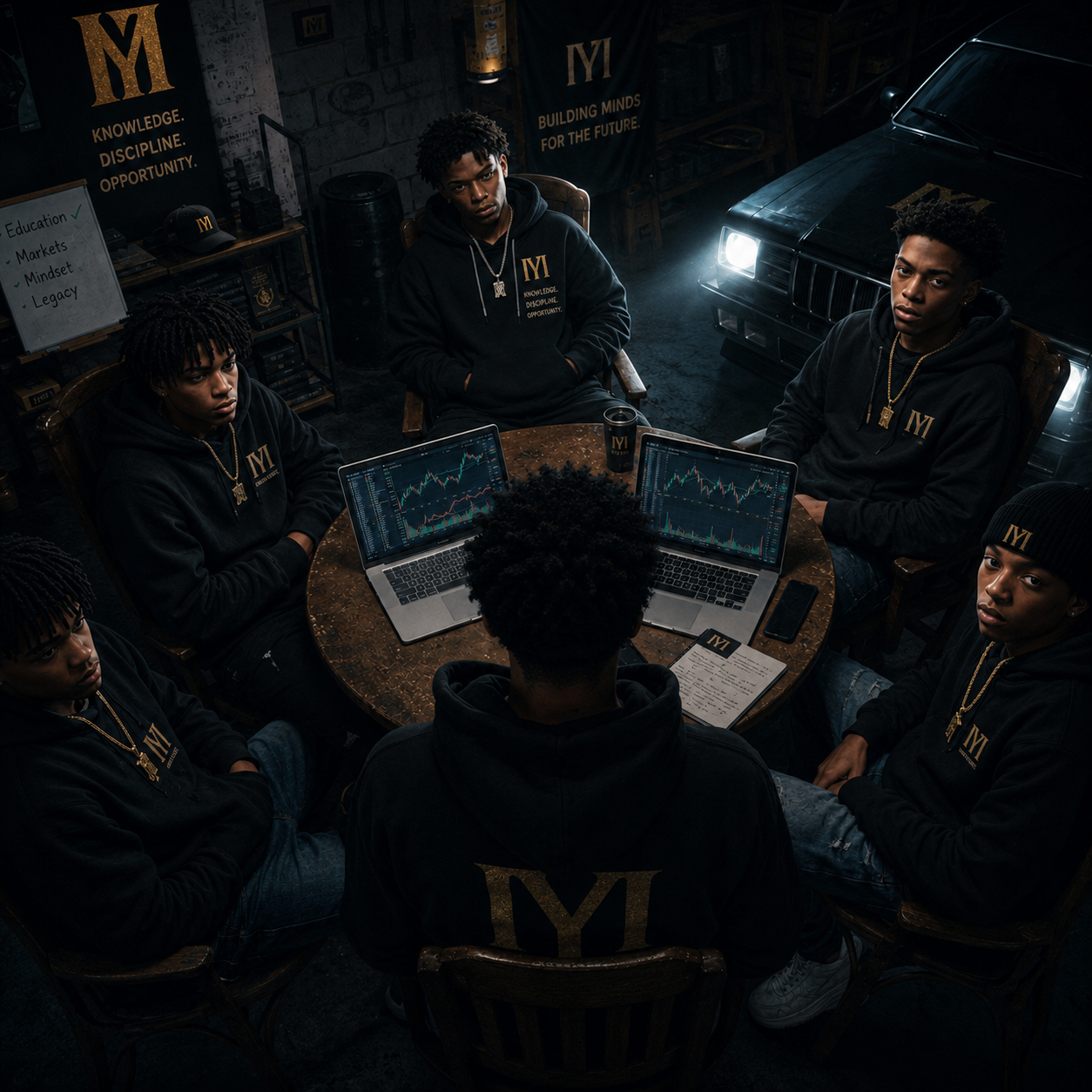
    The image for this blog carries a different kind of energy. It is not bright, soft, or polished in the usual way. It feels raw. Serious. Focused. Urban. Real.

    And that is the point.

    At International Youth Initiative, we believe learning does not have to be disconnected from the environments young people know. The goal is not to make youth feel like they have to become someone else in order to learn. The goal is to meet them where they are, then help them see where they can go.

    This image represents a table where strategy begins.

    It shows young Black men gathered around market charts, not as a fantasy of quick money, but as a symbol of discipline, focus, and learning how the world moves. It is a reminder that the same energy young people use to survive can be redirected into study, skill, and structure.

    Too often, our youth are only shown one version of themselves.

    They are shown as problems.
    They are shown as statistics.
    They are shown as risks.
    They are shown as threats.
    They are shown as young people to be controlled instead of young minds to be developed.

    IYI sees something different.

    We see potential.
    We see intelligence.
    We see leadership.
    We see creativity.
    We see young people who can learn strategy when someone takes the time to expose them to it.

    The table matters because the table represents gathering.

    It represents conversation.

    It represents accountability.

    It represents young people sitting down long enough to think, study, question, and plan.

    In a world full of distractions, focus is powerful.

    Financial market education is not just about watching numbers move on a screen. It is about learning patience. It is about understanding risk. It is about controlling emotions. It is about developing discipline before making decisions.

    Those lessons go far beyond trading.

    A chart can teach a young person to wait.
    A setup can teach a young person to prepare.
    A mistake can teach a young person to review.
    A plan can teach a young person to move with purpose.

    That is strategy.

    At IYI, we believe many young people do not lack intelligence. They lack exposure, structure, and consistent spaces where that intelligence can be challenged and developed.

    They need rooms where serious conversations happen.

    Conversations about money.
    Conversations about business.
    Conversations about technology.
    Conversations about AI.
    Conversations about ownership.
    Conversations about leadership.
    Conversations about the future.

    When those conversations become normal, mindset begins to shift.

    A young person who once only thought about getting through the day can begin thinking about building the next five years.

    A young person who once only saw pressure can begin seeing patterns.

    A young person who once only reacted can begin learning how to plan.

    That shift is important.

    The image also speaks to brotherhood and accountability.

    When young people gather around something constructive, the room changes. The conversation changes. The energy changes. They begin to sharpen one another. They begin to ask better questions. They begin to hold each other to a different standard.

    That is the kind of culture IYI wants to help build.

    Not just motivation for a moment.

    A culture of discipline.

    A culture of learning.

    A culture of ownership.

    A culture where young people understand that their mind is an asset.

    Because the truth is, strategy is not only for Wall Street.
    Strategy is not only for boardrooms.
    Strategy is not only for people who were born into access.

    Strategy belongs to anyone willing to learn.

    And our youth deserve access to that kind of thinking.

    They deserve to understand that markets move. Money moves. Technology moves. Opportunity moves. But if they are never introduced to these systems, they may never know how to position themselves.

    That is why exposure matters.

    At IYI, market education is not about promising wealth. It is about building awareness. It is about teaching youth how to study, how to think, how to manage risk, and how to connect decisions to outcomes.

    It is about helping them understand that discipline comes before opportunity.

    The laptop is only a tool.

    The chart is only a visual.

    The real work is happening in the mind.

    That is where the shift begins.

    When a young person learns to focus, they gain power.
    When they learn to plan, they gain direction.
    When they learn discipline, they gain control.
    When they learn strategy, they gain options.

    And options can change everything.

    This is why IYI continues to push beyond surface-level inspiration. Our youth need more than speeches. They need skills. They need structure. They need mentors. They need examples. They need real-world education that connects to the life they are actually living.

    The table where strategy begins may not look traditional.

    It may look like a garage.
    It may look like a laptop and a notebook.
    It may look like a group of young people deciding to take learning seriously.

    But that table can still become a turning point.

    Because when young people sit down with focus, discipline, and the right exposure, they can begin to stand up with vision, confidence, and direction.

    At IYI, we believe that is how futures are built.

    One conversation.
    One lesson.
    One table.
    One strategy at a time.

  • What Financial Literacy Can Mean for Black Urban Teens

    What Financial Literacy Can Mean for Black Urban Teens

    Financial literacy is more than money.

    It is more than learning how to save.
    It is more than learning how to budget.
    It is more than knowing the difference between income and expenses.

    For Black urban teens, financial literacy can become something much deeper.

    It can become a doorway to confidence.
    A doorway to discipline.
    A doorway to ownership.
    A doorway to better decisions.
    A doorway to opportunity.

    At International Youth Initiative, we believe financial literacy is one of the most important tools young people can be exposed to early. Not because money solves every problem, but because understanding money helps young people understand choices, systems, responsibility, and power.

    Many youth grow up seeing financial stress before they ever receive financial education.

    They may hear conversations about bills.
    They may see adults working hard but still struggling.
    They may experience pressure around food, transportation, housing, clothes, school costs, or family responsibilities.

    But too often, nobody breaks down how money actually works.

    That gap matters.

    Financial literacy is still not guaranteed everywhere

    Across the country, financial education is improving, but access is still uneven. The Council for Economic Education reported in 2026 that 39 states require a personal finance course for high school graduation, showing major progress — but also showing that personal finance education still depends heavily on where a young person lives and what their school system provides.

    That matters because financial literacy should not be treated like extra knowledge.

    It is life knowledge.

    A young person may graduate knowing many things, but still not understand credit, debt, interest, taxes, budgeting, banking, investing, insurance, income, or how to avoid financial traps.

    When that happens, young people enter adulthood without a full picture of how money decisions affect their future.

    The job gap makes financial education even more important

    Financial literacy becomes even more important when young people are already facing barriers to work and income.

    According to Bureau of Labor Statistics quarterly data, in the first quarter of 2026, the unemployment rate for Black youth ages 16 to 19 was 19.5%, compared with 14.0% for all youth ages 16 to 19 and 12.6% for White youth in that same age group.

    That gap is not just about jobs.

    It is about access to early work experience.
    It is about confidence.
    It is about learning responsibility.
    It is about building a résumé.
    It is about understanding income.
    It is about seeing how effort connects to opportunity.

    When young people have fewer chances to earn, learn, and build work habits, financial literacy becomes even more necessary. It gives them a foundation before the opportunity arrives.

    Some teens are disconnected from both school and work

    The Annie E. Casey Foundation’s 2025 KIDS COUNT Data Book reported that Black teens ages 16 to 19 had a 9% rate of being neither in school nor working, compared with 6% for White teens and 3% for Asian and Pacific Islander teens. The same report explains that teens who are not connected to school or work face serious barriers entering adulthood.

    That is why early exposure matters.

    The goal should not be to wait until a young person is already disconnected.

    The goal should be to reach them early with tools, direction, mentorship, and practical education that connects to real life.

    Financial literacy can help create that connection.

    It can show a young person why school matters.
    It can show why discipline matters.
    It can show why income matters.
    It can show why choices today affect options tomorrow.

    Financial pressure is real in many households

    Financial pressure does not only affect adults. Young people often feel it too.

    The Federal Reserve’s report on the economic well-being of U.S. households found that in 2023, 63% of adults said they could cover a hypothetical $400 emergency expense using only cash or its equivalent. That also means a significant share of adults would need to borrow, sell something, or could not cover the expense. The same report found that 54% of adults had emergency savings equal to three months of expenses.

    For young people growing up around financial pressure, money can become something associated with stress instead of strategy.

    That is why the message has to change.

    Money should not only be explained when there is a crisis.
    Money should be taught before the crisis.

    Banking and access still matter

    Financial inclusion is also part of financial literacy.

    The FDIC’s 2023 National Survey of Unbanked and Underbanked Households found that 14.2% of U.S. households were underbanked in 2023, meaning they had a bank or credit union account but still primarily used nonbank financial products and services to meet financial needs.

    The FDIC also reported that although unbanked rates for Black, Hispanic, and American Indian or Alaska Native households fell by about half between 2009 and 2023, those groups’ unbanked rates remained several times higher than the White household rate in 2023.

    This matters because financial literacy is not just about telling young people to save.

    It is also about helping them understand the tools around money.

    Bank accounts.
    Credit unions.
    Debit cards.
    Credit cards.
    Interest.
    Fees.
    Loans.
    Predatory products.
    Digital payments.
    Taxes.
    Investing.
    Insurance.

    These systems can either help people build or keep people stuck, depending on whether they understand how they work.

    Financial literacy is decision-making

    At IYI, we believe financial literacy should be taught as decision-making.

    A budget is not just a spreadsheet.

    It is a plan.

    Saving is not just holding money.

    It is discipline.

    Credit is not just a score.

    It is access.

    Investing is not just about markets.

    It is long-term thinking.

    Entrepreneurship is not just about making money.

    It is ownership, problem-solving, and creating value.

    When young people learn these ideas early, they begin to think differently about their choices.

    They may start asking:

    Where is my money going?
    What am I building?
    What do I need to learn?
    How can I create income?
    What habits are helping me?
    What habits are hurting me?
    What future am I preparing for?

    Those questions matter.

    Why this matters for Black urban teens

    Black urban teens do not need to be defined by statistics.

    They need access to tools that help them move beyond the statistics.

    They need financial education that speaks to real life. Not just textbook examples, but conversations about the pressures, choices, and opportunities they actually see.

    They need to learn how money connects to housing, transportation, business, education, credit, technology, ownership, markets, and family stability.

    They need to understand that financial literacy is not about pretending life is easy.

    It is about learning how to move smarter inside a world that can be complicated.

    That is where IYI comes in.

    The IYI approach

    International Youth Initiative is focused on helping youth build real-world understanding through financial literacy, entrepreneurship, technology, AI, market education, leadership, mentorship, and self-reliance.

    For us, financial literacy is not a stand-alone topic.

    It connects to everything.

    It connects to entrepreneurship because young people need to understand income, cost, value, and profit.

    It connects to technology because the future economy is digital.

    It connects to AI because young people need to know how new tools can help them learn, create, and compete.

    It connects to market education because markets teach patience, discipline, risk management, global awareness, and strategy.

    It connects to leadership because disciplined decision-making shapes how people lead themselves and others.

    That is why financial literacy matters.

    Not because every young person will become an investor.
    Not because every young person will start a business.
    Not because money is the only measure of success.

    But because every young person will make financial decisions.

    And those decisions can shape the direction of their life.

    From money stress to money strategy

    The goal is not just to teach youth how to count money.

    The goal is to help them think strategically.

    To move from stress to structure.
    From reaction to planning.
    From spending without direction to decision-making with purpose.
    From limited exposure to real opportunity.

    Financial literacy can give young people language for choices they were already facing.

    It can help them understand that money is not just something that happens to them.

    It is something they can learn to manage, protect, build, and use with intention.

    That is a powerful shift.

    Because when youth understand money better, they can begin to understand opportunity better.

    And when they understand opportunity better, they can begin to build differently.

    International Youth Initiative is working to expose youth to financial literacy, entrepreneurship, technology, AI, market education, leadership, and real-world opportunity.

  • Why Exposure Can Change a Young Person’s Future

    Why Exposure Can Change a Young Person’s Future

    Sometimes the difference between limitation and possibility is exposure.

    A young person may have talent.
    A young person may have intelligence.
    A young person may have creativity, discipline, and leadership inside of them.

    But if they are never exposed to certain ideas, certain conversations, certain opportunities, or certain examples, they may never know what is possible.

    That is why exposure matters.

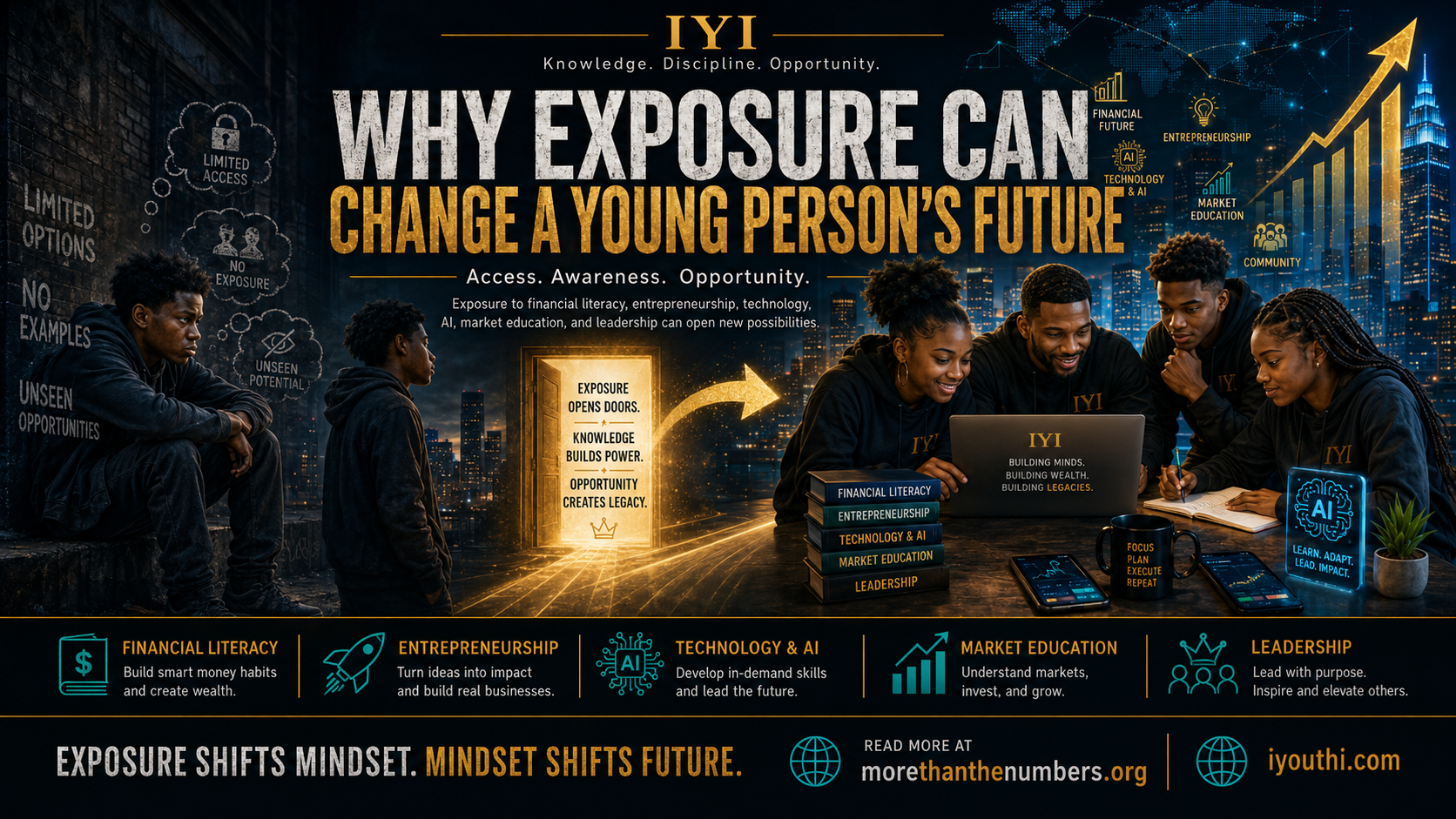
    At International Youth Initiative, we believe many young people are not lacking ability. They are lacking access. Access to information. Access to mentorship. Access to real-world skills. Access to conversations about money, business, technology, ownership, leadership, and opportunity.

    Exposure can change how a young person sees the world.

    It can also change how they see themselves.

    When a young person is only shown survival, survival can begin to feel like the whole story. They may learn how to get through the day, how to respond to pressure, how to avoid trouble, or how to deal with limited options.

    But survival is not the same as vision.

    Vision begins when a young person sees something different.

    It may happen during a conversation about business.
    It may happen when they learn how money works.
    It may happen when they see how technology can create new opportunities.
    It may happen when they are introduced to financial markets, entrepreneurship, AI, real estate, transportation, or leadership.

    One idea can open a door.

    One lesson can plant a seed.

    One mentor can help a young person believe, “Maybe there is more for me than what I have been shown.”

    That is the power of exposure.

    At IYI, we do not believe youth development should stop at motivation. Motivation can be powerful, but young people also need practical education. They need tools they can understand. They need examples they can connect with. They need spaces where they can ask questions without feeling judged.

    Exposure gives youth language for opportunity.

    When a young person learns financial literacy, they begin to understand money as more than something to spend. They begin to understand budgeting, saving, planning, discipline, and decision-making.

    When a young person is introduced to entrepreneurship, they begin to understand ownership. They learn that ideas can become services, services can become businesses, and businesses can become pathways.

    When a young person learns about AI and technology, they begin to understand the future. They start to see that technology is not just something to consume. It can be something to use, create with, and build from.

    When a young person is introduced to market education, they begin to understand movement. They see that stocks, currencies, companies, global events, and economic decisions are connected. They learn patience, risk management, observation, focus, and strategy.

    These are not just financial lessons.

    They are life lessons.

    Exposure helps young people think beyond reaction. It helps them ask better questions. It helps them understand that opportunity often begins with knowledge.

    Too many youth are told what not to do, but not enough are shown what they can become.

    They are told to stay out of trouble, but not always taught how to build a plan.
    They are told to work hard, but not always shown how systems work.
    They are told to dream big, but not always given real tools to connect dreams to action.

    IYI wants to help close that gap.

    We believe our youth deserve to be introduced to ideas that prepare them for the real world. They deserve to understand money, business, technology, leadership, and strategy. They deserve to see examples of discipline, ownership, and future-focused thinking.

    Exposure does not guarantee success by itself.

    But it creates awareness.

    And awareness is powerful.

    A young person cannot pursue what they have never seen.
    They cannot prepare for a path they do not know exists.
    They cannot build confidence in a future they have never been invited to imagine.

    That is why early exposure matters.

    The earlier young people are introduced to positive, practical, future-building ideas, the more time they have to grow into them. They can begin forming better habits. They can begin thinking differently about money, time, choices, and responsibility.

    They can begin to see themselves as builders.

    Builders of skill.
    Builders of discipline.
    Builders of confidence.
    Builders of community.
    Builders of legacy.

    At IYI, we believe exposure is not just about showing youth something new. It is about helping them recognize that they belong in rooms where opportunity is discussed.

    They belong in conversations about business.
    They belong in conversations about technology.
    They belong in conversations about ownership.
    They belong in conversations about leadership.
    They belong in conversations about the future.

    That belief matters.

    Because when young people are treated like they are capable, they often begin to move with more confidence. When they are given real information, they often begin to ask stronger questions. When they are exposed to opportunity, they often begin to imagine a future beyond limitation.

    Exposure can shift mindset.

    Mindset can shift decisions.

    Decisions can shift direction.

    And direction can change a life.

    That is the work IYI is committed to: creating spaces where youth can see more, learn more, ask more, and build more.

    Because sometimes the first step toward a different future is simply being shown that a different future exists.

  • The Numbers Behind the Need: Why Black Youth Need Real Opportunity

    The Numbers Behind the Need: Why Black Youth Need Real Opportunity

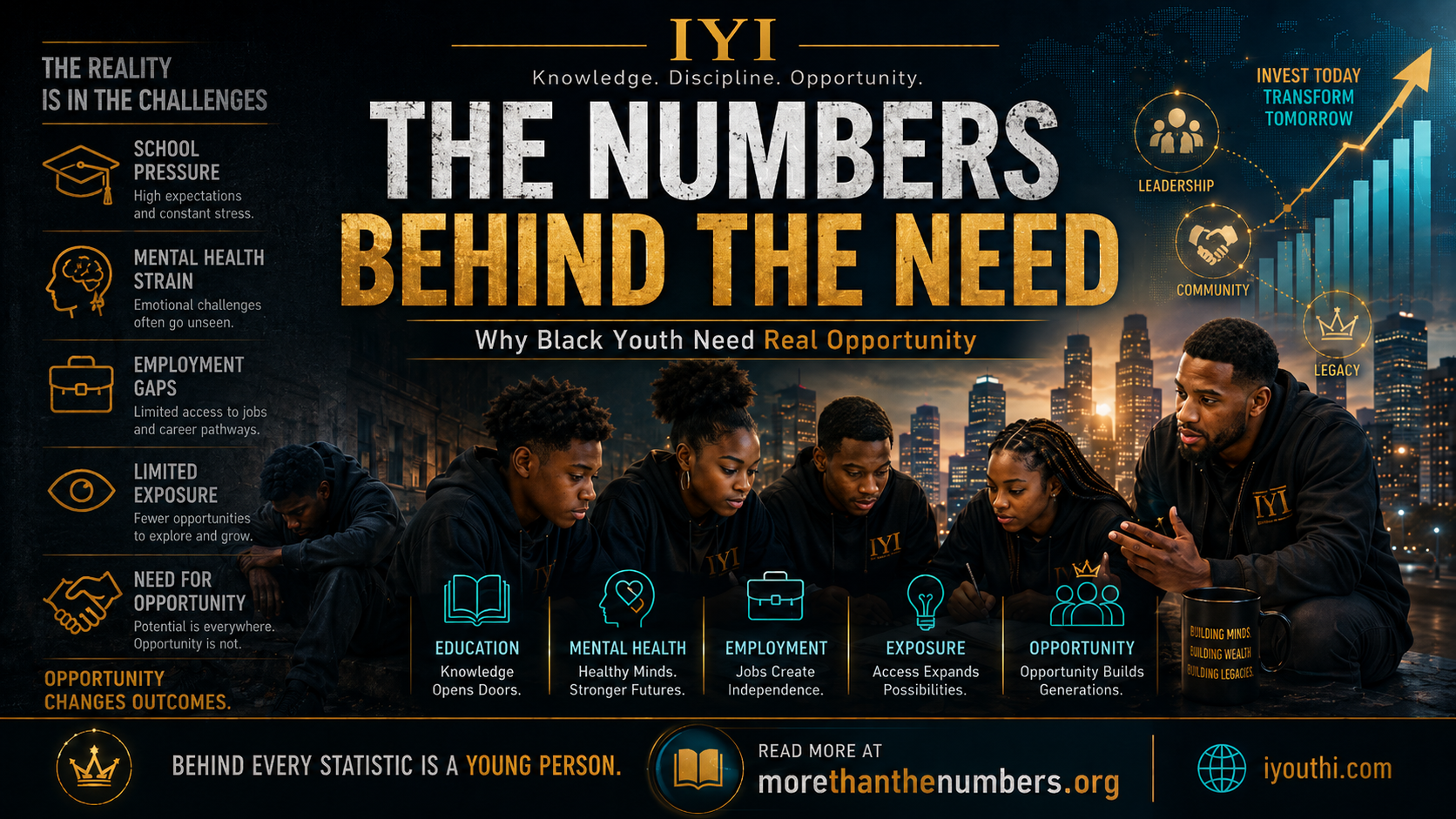
    Behind every statistic is a young person.

    A young person trying to figure out school.
    A young person trying to stay safe.
    A young person trying to manage pressure.
    A young person trying to see a future beyond what is directly in front of them.

    At International Youth Initiative, we believe the numbers matter — but the numbers are not the whole story.

    The numbers point to the need.
    The youth point to the future.

    That is why IYI is focused on real opportunity: financial literacy, entrepreneurship, technology, market education, leadership, mentorship, and self-reliance.

    The situation facing Black youth, especially in urban communities, cannot be reduced to one issue. It is not only about school. It is not only about jobs. It is not only about violence. It is not only about money. It is the combination of many pressures happening at once.

    And when those pressures stack up, young people need more than speeches.

    They need structure.
    They need exposure.
    They need practical tools.
    They need people willing to build with them.

    The pressure is real

    National youth data continues to show serious concerns around mental health, safety, and school experience. The CDC’s 2023 Youth Risk Behavior Survey reported that 40% of high school students experienced persistent feelings of sadness or hopelessness, even though that number improved slightly from 42% in 2021. The same CDC summary also reported that students missing school because of safety concerns increased from 9% in 2021 to 13% in 2023.

    Those numbers are not just health statistics. They are warning signs.

    A young person who feels unsafe may struggle to focus.
    A young person carrying emotional pressure may struggle to plan.
    A young person who feels disconnected may stop believing that opportunity is real.

    That is why mental health, purpose, and opportunity are connected.

    Black students are also facing unique school pressures

    The CDC also found that experiences of racism were 2 to 3 times more prevalent among students from marginalized racial and ethnic groups compared to White students. The same report says students who experienced racism had higher rates of poor mental health, suicide risk, and substance use. It also states that Black students were more likely than White and Hispanic students to report unfair discipline at school.

    This matters because education is supposed to be a place where young people develop confidence, direction, and possibility.

    But when a student feels unfairly judged, overlooked, or disciplined differently, it can affect how they see themselves and their future.

    IYI’s approach is not to ignore those realities. Our approach is to respond with solutions.

    We want to create spaces where youth can be seen differently — not as problems to manage, but as minds to develop.

    Work and opportunity gaps are still part of the picture

    Economic opportunity is another major issue.

    According to the Bureau of Labor Statistics, in the first quarter of 2026, the unemployment rate for Black youth ages 16 to 19 was 19.5%, compared with 14.0% for all youth ages 16 to 19 and 12.6% for White youth in that same age group.

    That gap matters.

    When young people cannot access early work experience, mentorship, or skill-building opportunities, it can affect confidence and long-term direction. A first job is not just a paycheck. It can teach communication, time management, responsibility, discipline, and problem-solving.

    But if access is uneven, then preparation has to be intentional.

    That is why IYI focuses on more than traditional classroom learning. We believe youth need exposure to financial literacy, entrepreneurship, technology, AI, and market education because the future economy will require more than just basic survival skills.

    Some teens are disconnected from both school and work

    The Annie E. Casey Foundation’s 2025 KIDS COUNT Data Book reported that Black teens ages 16 to 19 had a 9% rate of being neither in school nor working, compared with 6% for White teens and 3% for Asian and Pacific Islander teens. The report explains that teens who are not in school or working face major barriers entering adulthood.

    This is exactly why early intervention matters.

    The goal should not be to wait until a young person is already disconnected. The goal should be to reach them earlier, expose them earlier, and give them a reason to believe that learning connects to life.

    That is where programs like IYI can play an important role.

    Milwaukee’s Black youth are more than the challenges

    Milwaukee-specific research also shows why we need to be careful not to reduce Black youth to negative statistics. The Black Youth Achievement in Milwaukee report states that Milwaukee’s history of segregation, redlining, and disinvestment has contributed to inequities in health, education, and employment outcomes. But the same report emphasizes that Black youth achievement, resilience, and lived experience must be part of the story too.

    That is important.

    If we only talk about what is wrong, we miss what is strong.

    The same Milwaukee report notes that participants in community data conversations described Black youth as resilient and emphasized that the data often does not fully capture that resilience. Participants also discussed challenges including financial responsibilities at young ages, neighborhood violence, poverty, homelessness, and racism.

    That is the balance IYI wants to bring.

    We are not ignoring the numbers.
    We are not ignoring the pressure.
    We are not ignoring the systems.

    But we also refuse to ignore the potential.

    The solution has to be practical

    Young people do not need more empty talk. They need real-world learning.

    They need to understand money.
    They need to understand business.
    They need to understand technology.
    They need to understand leadership.
    They need to understand how the world is changing.

    That is why IYI’s work matters.

    When we teach financial literacy, we are not just talking about saving money. We are teaching decision-making.

    When we talk about entrepreneurship, we are not just talking about starting a business. We are teaching ownership, creativity, and problem-solving.

    When we introduce AI and technology, we are not just talking about tools. We are helping youth prepare for the future economy.

    When we introduce market education, we are not telling youth to chase quick money. We are teaching patience, discipline, risk management, global awareness, and strategy.

    These lessons are bigger than numbers.

    They help young people think differently.

    From statistics to strategy

    The numbers show us where the need is.

    But strategy shows us how to respond.

    If youth are facing mental pressure, they need purpose and support.
    If youth are facing school challenges, they need spaces where they feel valued.
    If youth are facing employment barriers, they need skill-building and exposure.
    If youth are facing limited opportunity, they need access to new ideas.

    At IYI, we believe the answer is not just to describe the problem.

    The answer is to build.

    Build minds.
    Build discipline.
    Build confidence.
    Build opportunity.
    Build pathways.

    Because behind every statistic is a young person.

    And behind every young person is a future that still deserves investment.

  • From Survival Thinking to Strategy Thinking

    From Survival Thinking to Strategy Thinking

    Many young people grow up learning how to survive.

    They learn how to get through the day.
    They learn how to react to pressure.
    They learn how to deal with limited options, limited resources, and limited examples of what is possible.

    But survival thinking is not the same as strategy thinking.

    Survival thinking asks, “How do I make it through this moment?”

    Strategy thinking asks, “How do I build toward something better?”

    At International Youth Initiative, we believe our youth deserve more than survival. They deserve exposure to ideas, tools, and opportunities that help them think bigger, plan better, and move with purpose.

    That is why IYI focuses on financial literacy, entrepreneurship, technology, market education, leadership, and self-reliance. These are not just program topics. They are building blocks for a different mindset.

    A young person who learns financial literacy begins to understand money differently. They start to see that money is not only something to spend, but something to manage, protect, grow, and use with intention.

    A young person who is exposed to entrepreneurship begins to understand ownership. They start to see that income does not have to come from only one path. They learn that ideas can become services, services can become businesses, and businesses can create opportunity.

    A young person who learns about technology and AI begins to understand the future. They start to see that the world is changing quickly, and that the ability to learn, adapt, and use new tools matters.

    A young person who is introduced to financial markets begins to understand movement. They start to see how decisions, news, companies, currencies, and global events connect. They learn patience, risk management, discipline, and focus.

    All of these lessons help move youth from reacting to life into preparing for life.

    That shift matters.

    Too often, our young people are told what not to do, but not shown what they can build. They are warned about failure, but not always taught strategy. They are told to stay out of trouble, but not always given real tools to create direction.

    IYI wants to help change that conversation.

    We believe young people need safe spaces where they can ask questions, learn new skills, explore ideas, and see examples of what is possible. They need mentors, structure, and access to information that can help them make better decisions.

    Strategy thinking is not about pretending life is easy. It is about giving youth a stronger way to face life.

    It teaches them to slow down and think.
    It teaches them to look at options.
    It teaches them to plan before moving.
    It teaches them that discipline matters.
    It teaches them that the future can be shaped one decision at a time.

    For many youth, exposure is the first step.

    Sometimes a young person does not lack ability. They lack access. They lack someone showing them the language of money, business, technology, and opportunity. They lack someone saying, “This world belongs to you too, but you have to learn how it works.”

    That is the heart of IYI.

    We are not here just to motivate youth for a moment. We are here to help build a mindset that lasts. Motivation can fade, but strategy can guide. Inspiration can spark interest, but structure helps turn that interest into action.

    Survival thinking may help a young person get through today.

    Strategy thinking can help them build tomorrow.

    At IYI, we believe the next generation needs more than speeches. They need solutions. They need exposure. They need practical education. They need a vision that connects discipline, knowledge, and opportunity.

    When youth begin to think strategically, they begin to move differently.

    They become more aware of their decisions.
    They become more intentional with their time.
    They become more open to learning.
    They become more prepared for the future.

    And most importantly, they begin to understand that they are not limited to what they have already seen.

    The goal is not just to help youth survive where they are.

    The goal is to help them build toward where they can go.

    That is why IYI is committed to helping young people move from survival thinking to strategy thinking — one lesson, one conversation, and one opportunity at a time.

  • Beyond the Chart: Teaching Youth How the World Really Moves

    Beyond the Chart: Teaching Youth How the World Really Moves

    When people look at a financial chart, they usually see numbers, candles, lines, and price movement.

    But at IYI, we see something deeper.

    We see a teaching tool.
    We see a conversation starter.
    We see a way to help young people understand how the world really moves.

    The financial markets are not just about buying and selling. They are connected to world events, business decisions, technology, currency, supply and demand, emotions, risk, patience, and discipline. When youth begin to understand those connections, they begin to see the world differently.

    That is why IYI believes market education matters.

    It is not about teaching young people to chase quick money. It is about helping them develop a stronger mindset. A chart can teach patience. A trading plan can teach discipline. Risk management can teach responsibility. Global markets can teach awareness. Studying price movement can teach focus and decision-making.

    Those are life skills.

    Many young people are taught how to survive, but not always how to study opportunity. They are told to work hard, but not always shown how money, business, technology, and global systems connect. They are told to dream big, but not always given tools to understand the world they are stepping into.

    IYI wants to help change that.

    When we talk about building “Market Minds,” we are talking about building youth who can think critically. Youth who can ask better questions. Youth who can understand that money moves through systems, and that knowledge gives them a better chance to participate in those systems instead of being left outside of them.

    Beyond the chart, there are lessons about vision.

    Young people need to see more than what is directly in front of them. Vision helps them understand that the future can be built with preparation, exposure, and discipline. When youth are introduced to financial literacy, entrepreneurship, technology, and market education, they begin to see new possibilities.

    Beyond the chart, there is focus.

    In a world full of distractions, focus is powerful. Learning markets requires attention, patience, and observation. Those same qualities can help youth in school, business, leadership, and life.

    Beyond the chart, there is discipline.

    Discipline teaches young people that success does not happen by accident. It comes through repeated effort, structure, and consistency. Whether someone is studying markets, building a business, learning AI, or developing a skill, discipline becomes the foundation.

    Beyond the chart, there is global awareness.

    Markets move because the world moves. Currencies, companies, interest rates, technology, conflict, innovation, and consumer behavior all affect the way money flows. When youth are exposed to these ideas, they begin to understand that their future is connected to a bigger world.

    Beyond the chart, there is freedom.

    Not freedom from work, but freedom through knowledge. Freedom to think. Freedom to plan. Freedom to build. Freedom to understand options that may have never been introduced before.

    That is the heart of IYI.

    We are not just trying to give youth information. We are trying to help them build a mindset. We want them to understand that success requires more than motivation. It requires patience, process, preparation, and access to real-world knowledge.

    The chart is only the beginning.

    The bigger lesson is learning how to think before reacting. Learning how to study before moving. Learning how to manage risk before chasing reward. Learning how to see patterns, ask questions, and make informed decisions.

    These lessons can shape how young people approach money, business, education, leadership, and their future.

    At IYI, we believe our youth deserve exposure to the language of opportunity. They deserve to understand financial literacy, entrepreneurship, technology, and global markets. They deserve spaces where they can learn, ask questions, and imagine a future bigger than survival.

    Because when youth understand how the world moves, they can begin to move differently within it.

    And when they move differently, they build differently.

    IYI is committed to helping build young minds that are prepared, disciplined, aware, and ready for the future.

    Not just beyond the chart.Beyond the limits that were placed in front of them.

  • Market Minds Start at Home

    Market Minds Start at Home

    When many people think about the financial markets, they picture adults, professionals, or people already deep into trading and investing. But at IYI, we believe something different:

    Market minds can be built early.
    And often, they start right at home.

    The image for this blog captures something powerful — a Black family gathered together, looking at a market chart, learning, watching, and engaging. That image represents more than trading. It represents exposure. It represents possibility. And it represents a mindset that many of our youth need access to much earlier in life.

    Too often, our young people are introduced to survival before strategy.
    Reaction before planning.
    Consumption before ownership.

    At IYI, we want to help shift that.

    Teaching youth about markets is not about telling them to chase money. It is about teaching them how the world moves. It is about helping them understand discipline, patience, risk, patterns, and decision-making. These are life skills just as much as financial skills.

    A chart on a screen is more than numbers going up and down. It can become a doorway into conversations about:

    • patience
    • timing
    • emotional control
    • preparation
    • risk management
    • global events
    • long-term thinking

    Those are lessons that reach far beyond trading.

    Even the messages in the image speak loudly:
    Vision. Focus. Discipline. Consistency. Freedom.

    That is the mindset we want youth to see and grow into.

    At IYI, we believe financial literacy should not stop at budgeting alone. Budgeting matters, but youth should also be exposed to how markets work, how currencies move, how opportunities are created, and how informed thinking can open doors. When young people begin to understand these ideas, they begin to think differently about their future.

    They begin to see that success is not random.
    It is built.

    The mug in the image says:
    Patience. Process. Profits.

    That order matters.

    Too many people want the profit without the process. But real growth — in markets and in life — comes from developing the mindset first. Learning how to study. Learning how to wait. Learning how to make better decisions. Learning how to stay steady.

    That is part of what IYI stands for.

    We are not just trying to inspire youth with words. We want to expose them to knowledge that can change how they think, how they move, and what they believe is possible. Whether it’s financial literacy, entrepreneurship, AI, or market education, our goal is to help young people build confidence and real-world understanding.

    Because when a young person starts to think differently, they start to move differently.

    And that is where change begins.

    At IYI, we are committed to helping build the next generation of thinkers, leaders, and market-minded youth — one lesson, one conversation, and one opportunity at a time.


  • IYI Is Building Market Minds: Teaching Youth How the World Really Moves

    IYI Is Building Market Minds: Teaching Youth How the World Really Moves

    Too many young people hear about money, markets, business, and global events without ever being taught how those systems actually work.

    They hear about inflation, interest rates, the stock market, gas prices, jobs, wars, elections, and recessions — but rarely are they shown how all of these things connect.

    At International Youth Initiative, we believe our youth deserve access to knowledge that helps them understand the world, make better decisions, and build stronger futures.

    That is why IYI is helping young people learn about financial literacy, the stock market, currency markets, options, entrepreneurship, and geopolitics.

    This is not about turning every young person into a trader.

    It is about exposure.

    It is about helping youth understand how money moves, how global events affect local communities, and how knowledge can create opportunity.

    Why Financial Education Matters

    Financial literacy is more than learning how to save money. It teaches discipline, planning, patience, and decision-making.

    When young people understand money, they begin to understand choices. They learn that money is not just something to spend — it is something to manage, protect, grow, and use with purpose.

    For many Black youth, this kind of education is not introduced early enough. IYI wants to help change that by giving young people access before adulthood, before debt, and before they are forced to learn through mistakes.

    What IYI Teaches

    Through market education, youth can begin to understand:

    Stock Market Basics
    How companies work, what ownership means, how prices move, and why research matters.

    Currency Markets
    How global currencies, interest rates, trade, and world events connect.

    Options and Risk
    How risk, timing, probability, discipline, and planning affect decisions.

    Geopolitics
    How wars, elections, policies, oil prices, and global events impact markets, jobs, and communities.

    These lessons are bigger than money. They build critical thinking, patience, confidence, and awareness.

    Building Mindset, Not Just Knowledge

    IYI is not just teaching information.

    We are building mindset.

    We want young people to develop confidence, discipline, leadership, and ownership. We want them to know that success is not only about talent — it is also about exposure, preparation, and access.

    Our youth are capable of learning advanced concepts.
    Our youth are capable of thinking globally.
    Our youth are capable of understanding markets.
    Our youth are capable of leading.

    They simply need someone willing to teach them, believe in them, and open the door.

    The Future Is Learned

    The future does not just happen.

    It is taught.
    It is practiced.
    It is built.
    It is learned.

    At International Youth Initiative, we believe Black youth deserve access to the knowledge, tools, and mentorship that can help them build stronger futures.

    Because when young people understand the world, they are better prepared to change it.

    Learn more at iyouthi.com